


Readings shared after each visit
After every visit you get a short written summary of what was found, what was done and what happens next. Move over the photo for an illustrative thermal view.
Mold Remediation Dallas TX starts with finding why the mold grew, not just scrubbing what you can see. We inspect with thermal imaging and moisture meters, contain the work area, remove affected drywall and insulation, then treat and verify. Same-day inspections across Dallas County.
 Staining worth a closer lookCondensation line runs hereInsulation may be holding moisture
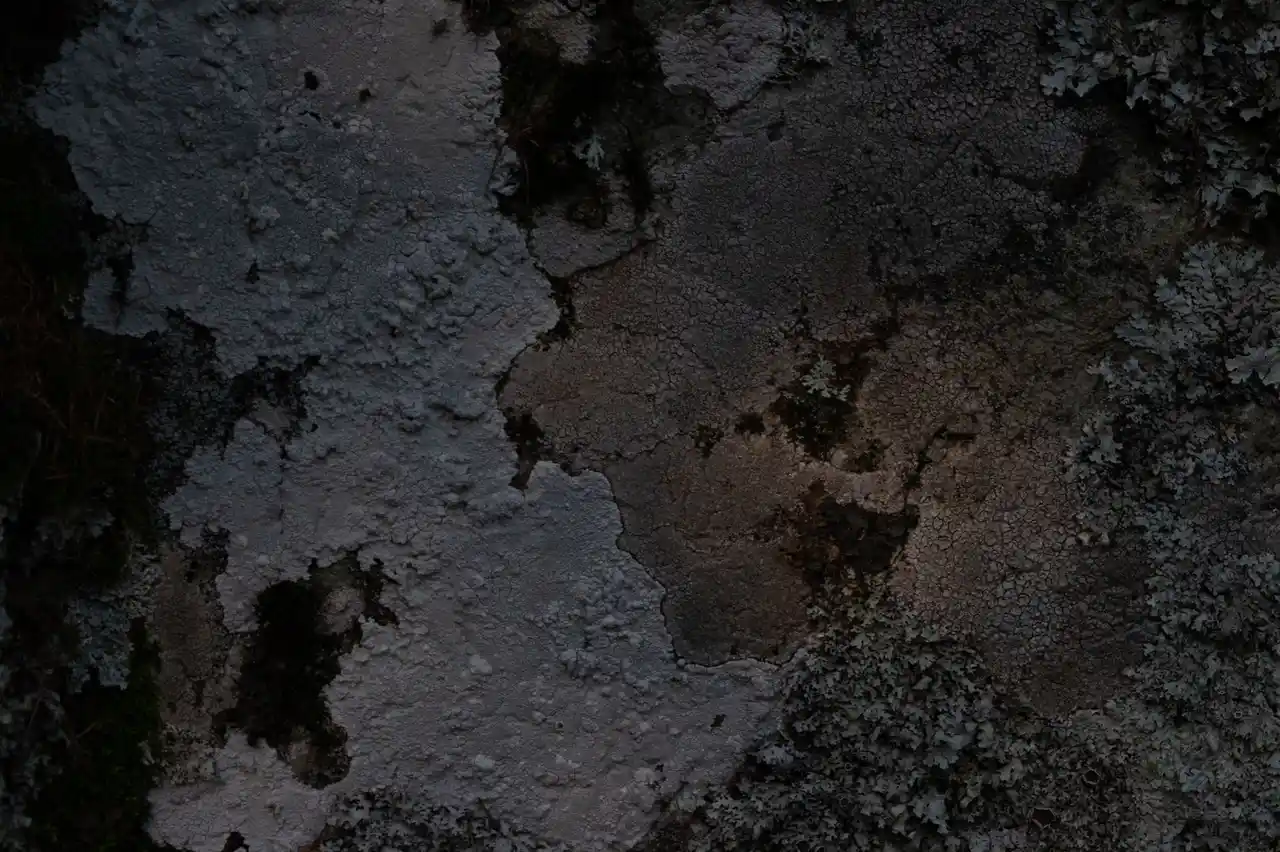
We start by tracing the moisture with a thermal camera and a meter. Once we know where it is coming from, we seal the area and remove what is affected. You get photos and a written summary of what we found and what we did.
Dallas Mold Remediation has handled Mold Remediation Dallas TX jobs since 2015, from attic sheathing in Preston Hollow to slab-edge wicking in East Dallas. We are a mold cleanup company Dallas homeowners and property managers call when a roof leak, plumbing drip, or HVAC condensate line turns into visible growth and a musty odor that will not clear.
We are IICRC WRT and AMRT trained, OSHA 10 compliant, and hold a Texas Mold Remediation License. Our crews carry thermal imaging cameras, moisture meters, boroscopes, and air scrubbers on every truck, so we can trace hidden moisture behind tile, under hardwood, and inside wall cavities. If you searched for mold remediation services near me Dallas TX, we serve ZIP codes 75230, 75231, 75236, and 75237 daily.
Every job starts with a real inspection, not a phone estimate. We test, document, and explain what we find before any containment goes up.
We use thermal imaging cameras, moisture meters, and boroscopes to find hidden moisture behind walls, under floors, and above ceilings. Air and surface samples go to an accredited lab.
Black mold removal Dallas TX requires containment first. We seal the work area with polyethylene sheeting, run negative air machines with HEPA filters, then remove affected drywall and insulation.
Dallas attics hit 140 degrees in summer, and roof leaks or poor ventilation feed mold fast.
Crawl spaces trap humidity and condensation, especially after heavy spring rains. We remove moldy insulation and debris, treat joists and subfloor with antimicrobial spray, and install encapsulation coating where needed.
Basement mold usually traces back to slab leaks, foundation seepage, or failed sump pumps. We remove affected drywall and insulation, HEPA vacuum the space, and treat with antimicrobial spray.
HVAC mold spreads spores through every room. We inspect the air handler, evaporator coil, and ductwork with boroscopes, then clean and sanitize affected components.
We ask what you are seeing and hearing, then set a time to inspect with meters and a camera.
Request ServiceWe are not a franchise or a call center. We are a Dallas-based crew that has worked the same neighborhoods since 2015.
After every visit you get a short written summary of what was found, what was done and what happens next. Move over the photo for an illustrative thermal view.
We seal the work area and run air scrubbers before any material comes down, so spores stay put.
You receive images from the thermal camera and boroscope showing exactly where the moisture is.
Call or write and we will ask about what you are seeing and schedule a visit.
(214) 817 0145At the end of each day we walk the space with you and explain what was removed and what is next.
We follow the IICRC S520 standard on every job: inspect, contain, remove, clean, and verify. You get a written scope before we start and a verification report when we finish.
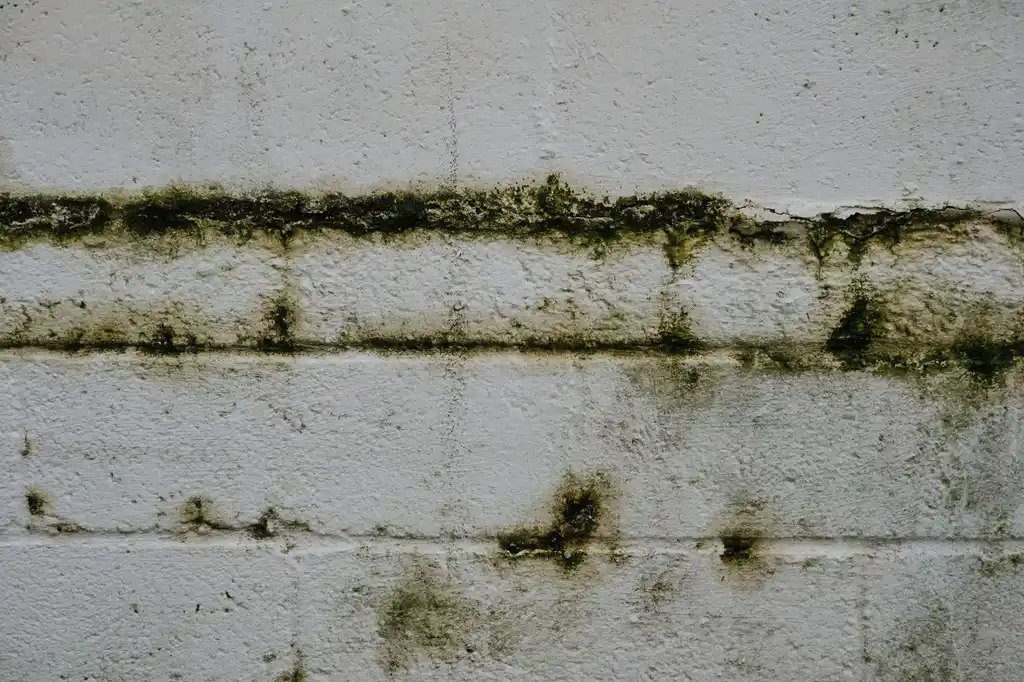
A technician arrives with a thermal imaging camera, moisture meter, and boroscope. We trace moisture, map the affected area, and take air or surface samples if needed. You get a written report with photos and lab results.

We seal the work area with polyethylene sheeting and run negative air machines with HEPA filters. This keeps spores from spreading to clean rooms. Air scrubbers run the entire time we are on site.
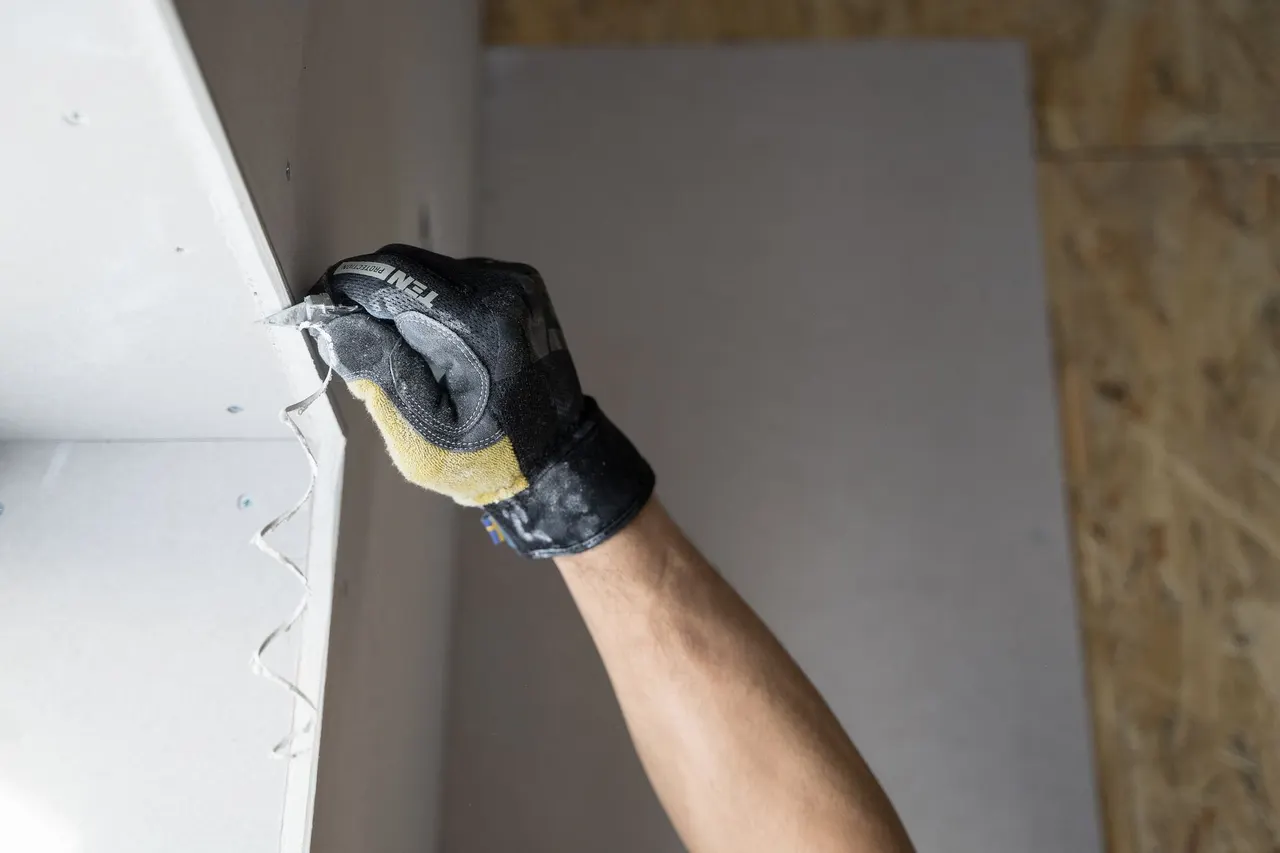
Affected drywall, insulation, and porous materials come out, bagged, and disposed of. We HEPA vacuum all surfaces, then apply antimicrobial spray like Fiberlock ShockWave or Concrobium. Framing gets treated before any rebuild.
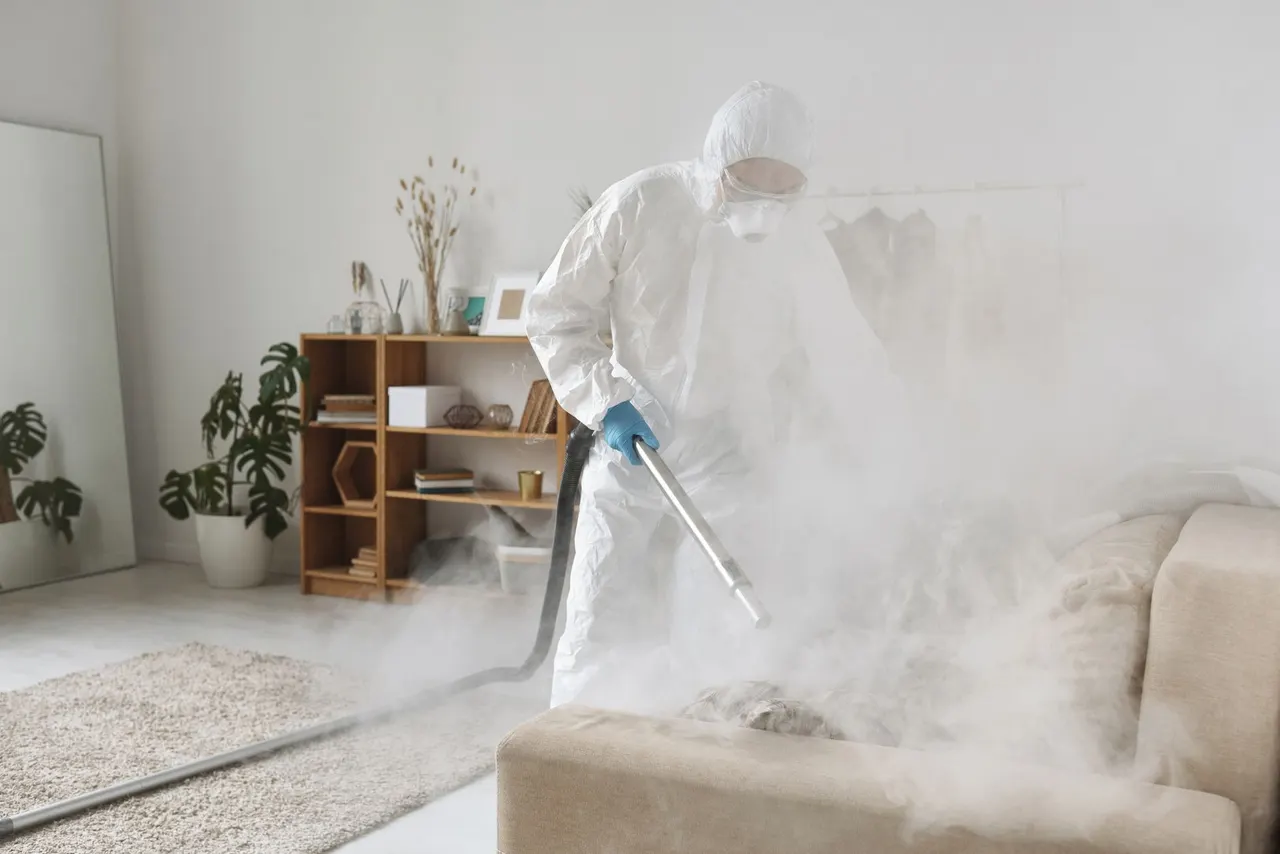
We coordinate post-remediation testing with an independent lab. Once clearance passes, we install mold-resistant drywall and finish the area. You get a final report with photos and lab results for your records or insurance claim.
Dallas humidity, roof leaks, and HVAC issues create mold problems that come back if you only clean the surface.
A musty smell usually means mold is growing behind drywall, under flooring, or inside the HVAC system. We use thermal imaging and boroscopes to find it, then contain and remove the affected materials.
HVAC Mold RemediationRoof leaks soak attic insulation and decking, and mold shows up fast in Dallas heat. We remove affected insulation and drywall, treat framing with antimicrobial spray, and document the leak location so your roofer can fix it.
Black Mold RemovalMold in the air handler or ductwork spreads spores through the whole house. We inspect with boroscopes, clean and sanitize the system, and replace HEPA filters.
HVAC Mold RemediationCrawl spaces trap humidity and condensation, especially after spring rains. We remove moldy insulation, treat joists with antimicrobial spray, and install encapsulation coating where needed. A dehumidifier keeps moisture levels down long-term.
Crawl Space Mold RemediationWe provide full photo documentation, moisture readings, lab results, and a written scope of work. Our reports follow IICRC S520 standards, which is what most adjusters want to see.
Talk it throughWe serve Dallas and the surrounding communities from Downtown to Cedar Hill.
View all service areas
If you are outside these areas, call and ask. We may still be able to help.
Here are the questions we get most often about mold remediation in Dallas.
Describe what you are seeing and we will point you to the right next step.
(214) 817 0145Most single-room jobs in Dallas run $1,200 to $2,800 in 2026. A full attic or multi-room scope typically runs $3,500 to $8,500. Whole-home or commercial projects can exceed $25,000. The final price depends on the square footage affected, the type of material, and how much containment is needed. We inspect first and give you a written scope before any work starts.
Dallas Mold Remediation is a local company that has handled mold removal Dallas Texas jobs since 2015. We are IICRC WRT and AMRT trained, OSHA 10 compliant, and hold a Texas Mold Remediation License. We serve all of Dallas County, from Downtown to Cedar Hill. Call (214) 817 0145 to schedule an inspection.
It depends on the cause. Sudden events like burst pipes or storm damage are often covered. Long-term neglect or gradual leaks usually are not. We provide full documentation, moisture readings, lab results, and a written scope that follows IICRC S520 standards. Most adjusters accept our reports. We can also coordinate directly with your insurance company.
A single bathroom wall usually takes one to two days. A full attic or crawl space typically takes three to five days. Whole-home projects can run one to two weeks. The timeline depends on the square footage, how many materials are affected, and whether HVAC cleaning is needed. We give you a day-by-day schedule before we start.
Dallas humidity is the biggest factor, but the trigger is almost always a moisture source: roof leaks, plumbing drips, HVAC condensate lines, slab leaks, or poor attic ventilation. Once moisture sits for 24 to 48 hours, mold can start growing. We trace the source with thermal imaging and moisture meters, then document it so you can fix the cause and stop the mold from returning.
Same-day inspections across Dallas County. Written scope before work starts. Call (214) 817 0145 and we will trace the moisture, contain the area, and remove the mold.
Call (214) 817 0145 or email [email protected] to schedule an inspection. We answer the phone Monday through Friday, 8:00 AM to 6:00 PM, and we return after-hours messages first thing the next morning. Same-day inspections are available across Dallas County when you call before noon.


